























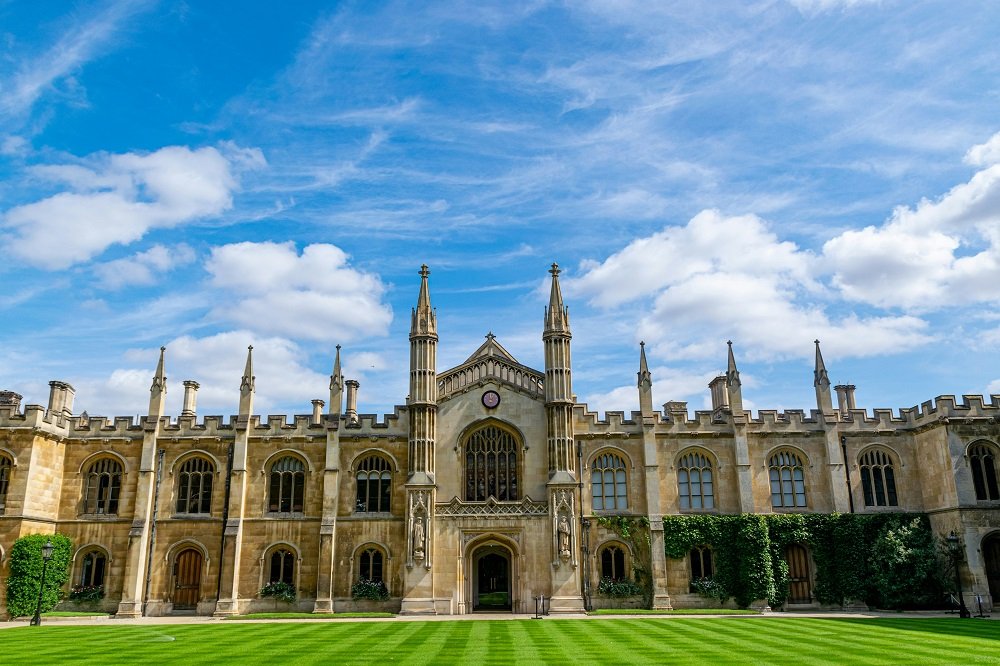
The UK higher education sector is entering 2026 under significant structural pressure. Universities remain globally respected for research excellence and international appeal, yet internally the system is experiencing financial strain, policy uncertainty, and changing student behaviour.
For students, the central concerns revolve around affordability, employability, and long-term debt. For institutions, the challenges include financial sustainability, regulatory compliance, and maintaining international competitiveness. These issues are interconnected and increasingly complex.
1. Structural Funding Challenges in UK Higher Education
Frozen Tuition Fees and Declining Real-Term Income
Undergraduate tuition fees in England have remained capped for several years. Over the same period, inflation, pension contributions, energy costs, and staffing expenses have increased substantially. In real terms, universities now receive significantly less value per student than they did a decade ago.
This erosion in unit funding affects teaching capacity, infrastructure investment, student support services, and research cross-subsidies. High-cost disciplines such as engineering, laboratory sciences, computing, and medicine are particularly exposed because delivery costs frequently exceed tuition income.
Rising Institutional Deficits and Course Closures
A growing number of UK universities are projecting operating deficits. In response, institutions have introduced hiring freezes, voluntary redundancy schemes, restructuring plans, and course consolidation measures.
Arts, humanities, and smaller specialist programmes have been particularly vulnerable to reduction or closure. This raises broader questions about subject diversity, regional access, and the long-term intellectual breadth of the UK higher education system.
2. International Student Decline and Visa Policy Reforms
Reduced Postgraduate Enrolments
International students contribute substantially higher tuition fees than domestic students and represent a critical revenue stream for many UK institutions. Recent enrolment patterns show declines in certain postgraduate taught programmes, particularly one-year master’s degrees.
Because postgraduate international provision has historically underpinned institutional budgets, even modest declines can have outsized financial consequences.
Visa Restrictions and Graduate Route Uncertainty
Recent immigration reforms have restricted dependants on most student visas, increased financial maintenance thresholds, and introduced greater scrutiny of post-study work pathways. The Graduate Route, once a key attraction for international applicants, has faced ongoing political review.
For globally mobile students, policy predictability is a central decision-making factor. Perceived instability may redirect demand toward competitor countries with more stable post-study work rights.
3. Student Financial Hardship and the UK Loan System
Extended Repayment Periods and Rising Debt Anxiety
Adjustments to student loan repayment thresholds and interest calculations mean that many graduates will repay loans over longer periods. The perception of long-term debt influences whether prospective students view higher education as a worthwhile financial investment.
Cost-of-Living Pressures on Students
Accommodation, food, transport, and energy costs have risen significantly across UK university cities. Many students rely on part-time employment to meet living expenses, potentially affecting academic performance and wellbeing.
Universities are expanding hardship funds, mental health services, and financial advice provision. However, these interventions are implemented within already constrained institutional budgets.
4. Academic Freedom, Research Security, and Regulatory Oversight
Government guidance has increased oversight of international research collaborations and foreign state influence in sensitive subject areas. Universities must balance open academic exchange with national security responsibilities.
Enhanced compliance procedures introduce administrative complexity and may affect research partnerships, particularly in science, technology, and defence-related disciplines.
5. Changing Student Expectations and Alternative Pathways
Employability and Value for Money
Students increasingly assess degree programmes through employability metrics, graduate salary data, placement opportunities, and industry partnerships. Transparent outcomes are now central to recruitment competitiveness.
Growth of Vocational and Apprenticeship Routes
Degree apprenticeships, higher technical qualifications, and professional micro-credentials are expanding. These pathways offer earlier entry into employment and reduced debt exposure, challenging traditional undergraduate enrolment patterns.
Conclusion: UK Higher Education at a Strategic Crossroads
The pressures facing UK universities in 2026 are structural rather than temporary. Funding erosion, visa reforms, student debt concerns, regulatory oversight, and shifting student expectations collectively reshape the higher education landscape.
For students in the UK and globally, decisions now require careful evaluation of cost, employability, and policy stability. For universities, resilience depends on strategic diversification, financial reform, and sustained investment in student experience.