






















Embracing Intuitive Eating: The Path to a Healthy Relationship with Food and Body Image
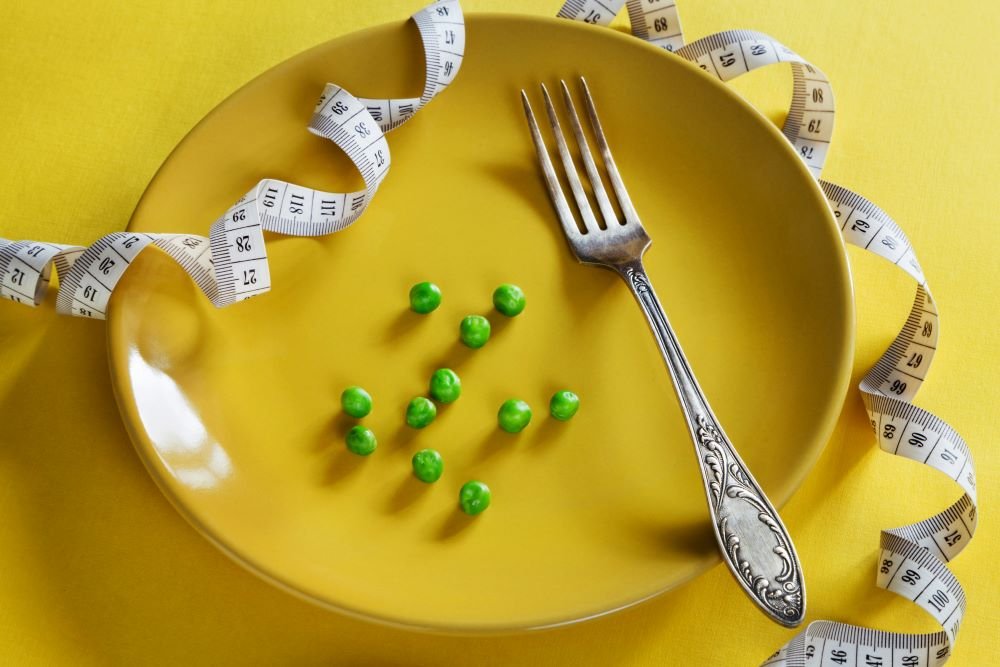
In a world obsessed with quick-fix diets and unrealistic beauty standards, building a truly healthy relationship with food and body image can feel like an impossible task. You’re constantly bombarded with messages that equate thinness with health and worth, leading to endless cycles of guilt and restriction. But what if we told you there’s a way to step off the dieting merry-go-round and find genuine peace?
It’s time to focus on Intuitive Eating and body neutrality, a powerful shift that prioritizes your mental and physical well-being over external rules. This isn’t just about what you eat—it’s about how you relate to your body and the nourishment it needs.
🛑 Rejecting the Diet Mentality
The first and most critical step is to consciously reject the diet mentality. Decades of research show that dieting is not only ineffective for long-term health but is often a major precursor to a negative body image and disordered eating.
- Challenging Food Rules: Diet culture thrives on labeling foods as “good” or “bad”. This moralizing creates guilt when you eat a “bad” food and an unhealthy obsession with “good” ones. Instead, adopt food-neutral language. A cookie is simply a cookie; it offers pleasure and energy. Broccoli is broccoli; it offers vitamins and fiber. Both can fit into a balanced life.
- The Trap of Restriction: Restricting certain foods often leads to intense cravings and, eventually, a binge-restrict cycle. Giving yourself unconditional permission to eat all foods in moderation helps remove their power and reduces the likelihood of overeating.
🧘♀️ What is Intuitive Eating?
Intuitive Eating is a non-diet approach to health and wellness that encourages you to honor your body’s signals. It’s about reconnecting with your internal wisdom around hunger and fullness, rather than relying on external rules, calorie counts, or meal plans.
Key Principles of Intuitive Eating:
- Honor Your Hunger: Eat when you feel the first signs of hunger. Waiting until you are ravenous often leads to overeating and a feeling of being out of control.
- Feel Your Fullness: Pay attention to the signs that you are comfortably satisfied. This doesn’t mean “stuffed,” but gently full. Take breaks during your meal, put your fork down, and check in with your body.
- Cope with Your Emotions Without Using Food: Food is often used as a coping mechanism for stress, boredom, or sadness. Learn to recognize emotional hunger versus physical hunger and develop healthier coping strategies like movement, journaling, or connecting with a friend.
- Respect Your Body: Accept your body’s natural shape and size. Body respect is crucial; you can’t fully reject the diet mentality if you’re still critical of the body you’re in. This leads us to body image.
✨ Nurturing a Positive Body Image
Developing a positive body image is a lifelong practice that moves beyond simply “loving” how you look. For many, a better starting point is Body Neutrality.
- Focus on Function, Not Appearance: Instead of judging your body based on how it looks, focus on all the amazing things it allows you to do. It lets you walk, dance, laugh, hug, and think. Appreciating your body for its functionality shifts your focus away from the superficial.
- Curate Your Social Media Feed: Be mindful of the images and messages you consume daily. Unfollow accounts that promote restrictive dieting, unrealistic body ideals, or excessive body comparison. Actively seek out diverse body representations and content creators who promote health at every size and body acceptance.
- Challenge Negative Self-Talk: Become aware of the inner critic and negative self-talk. When you hear a critical thought about your body, gently interrupt it and replace it with a neutral or kind affirmation. Remember, your worth is not tied to your size.
💖 Making Peace with Food and Yourself
The journey to a healthy relationship with food and body is a continuous process that requires patience, self-compassion, and commitment. It’s about prioritizing how you feel—your energy, your mood, your strength—over external validation or a number on a scale.
Moving toward Intuitive Eating and body neutrality is about reclaiming your headspace and freedom. You deserve to live a life where food is a source of nourishment and enjoyment, not stress and guilt.
Need Support? Resources for Your Journey
If you are struggling with disordered eating or severe body image issues, please know you don’t have to navigate this alone. Seek professional help from a Registered Dietitian specializing in Intuitive Eating or an Eating Disorder Therapist.
Overview – Eating disorders by NHS
Shout 85258 – Urgent Mental Health Support
🌟 Finding Peace and Freedom
Ultimately, fostering a healthy relationship with food and body image isn’t about achieving perfection—it’s about reclaiming your mental space and finding peace. By committing to Intuitive Eating and practicing body respect, you give yourself permission to step off the exhausting diet treadmill. This journey offers a profound freedom: the freedom to enjoy all foods without guilt, to trust your body’s wisdom, and to recognize your inherent worth beyond your size or shape. Embrace this process with self-compassion, knowing that every small step toward kindness and trust is a step toward a happier, healthier life.